/words/ozymandias/index.md
In the future we are already dead
I am, perhaps shamefully, not a very good reader. I read only a handful of books through my adult life, and left a handful more only half-read. I have been trying to rectify that. Someone who doesn’t read much won’t be able to write very well either, which makes this a challenging exercise. But I shall soldier on.
Poetry in particular is not something I ever delved too much into, but there is something fascinating about it nonetheless. It’s where the ideas within a text and the shape of its words work in harmony. Writing compelling prose is already hard enough.
But I intend not to write poetry here, worry not. Writing my thoughts about it may already be more cringe than I am willing to bear.
The hand that mocked them
There’s one poem I really like. It hardly makes me special; it is very famous:
I met a traveller from an antique land, who said:
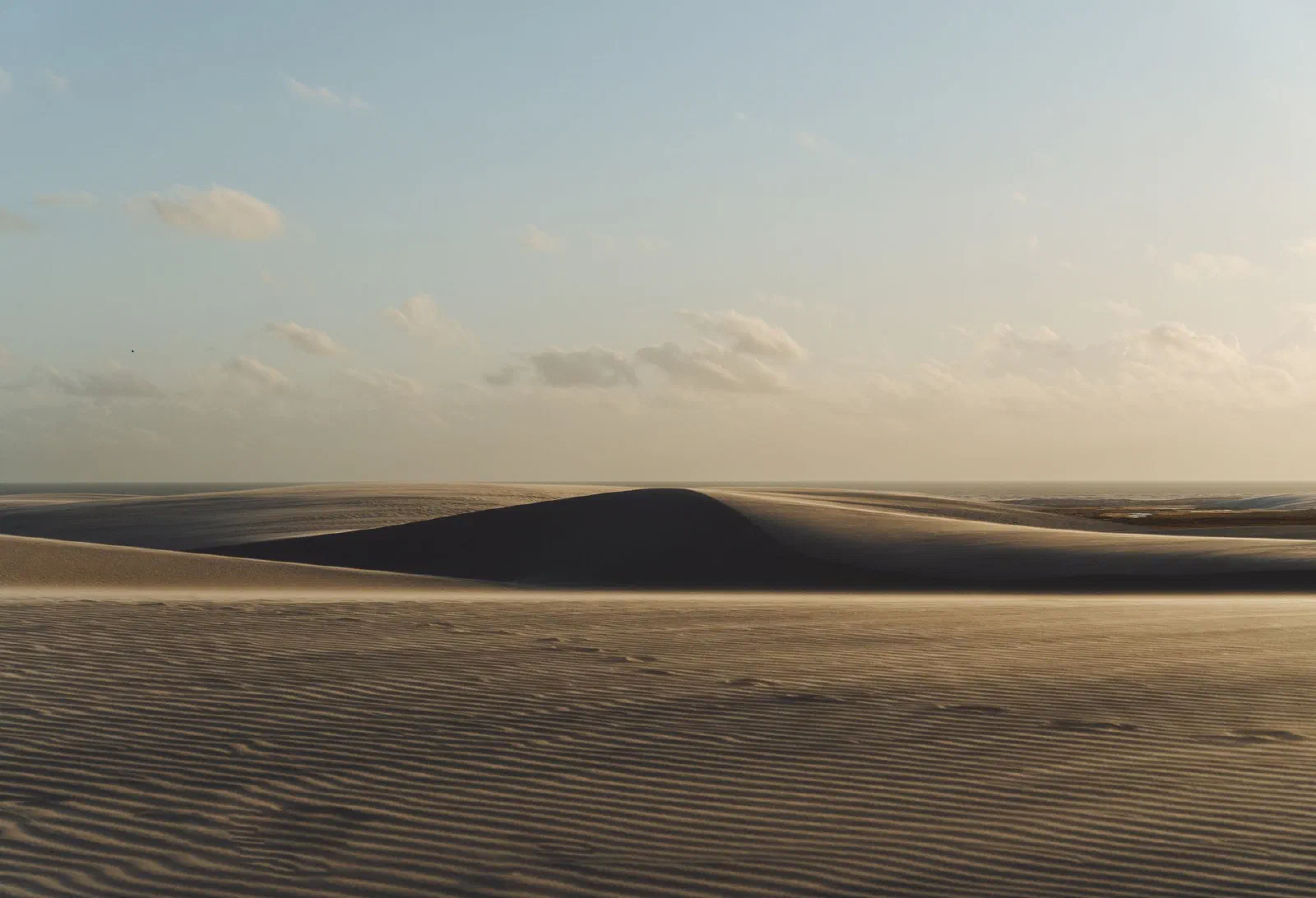
Two vast and trunkless legs of stone stand in the desert.
Near them, on the sand, half sunk, a shattered visage lies
whose frown, and wrinkled lip, and sneer of cold command
tell that its sculptor well those passions read,
which yet survive, stamped on these lifeless things.
The hand that mocked them, and the heart that fed.
And on the pedestal these words appear:
“My name is Ozymandias, king of kings;
Look on my works, ye mighty, and despair!”Nothing beside remains.
Round the decay of that colossal wreck,
boundless and bare,
the lone and level sands stretch far away.
Ozymandias, by Percy B. Shelley. I transcribed it from memory, so forgive any mistakes there. Written in the early 19th century, a period of upheaval after monarchies of the past had crumbled during the Napoleonic Wars, it reads to me as a sharp criticism of the rulers of that age. Just like Ozymandias, their power too would wane given enough time.
In a broader interpretation, perhaps it was critical of the arrogance inherent in power. We are, after all, hearing about Ozymandias from a third party, a traveller who just happens to know of some ruins in an unnamed desert. Some nearly-forgotten tyrant had the hubris to dub himself the “king of kings”. That’s the irony of the words engraved on the pedestal.
And yet, none of those interpretations entice me.
That power crumbles is expected. Time is the ultimate apex predator. It devours the king and his subjects, hero and villain, saint and sinner. It eats history itself. The criticism is still valid, but hardly something that would cause me to ponder much further.
Statues and heat death
In an even broader interpretation, this poem could be about the folly of human achievement against time. Ozymandias’ civilization disappeared. Whatever it was during his reign was reduced to the remains of a broken statue. Its culture, language, art, music, cuisine, religion, engineering: all lost to desert sand. It is easy, from this reading, to reach a nihilistic conclusion: Why do we create anything when time will erase it anyway?
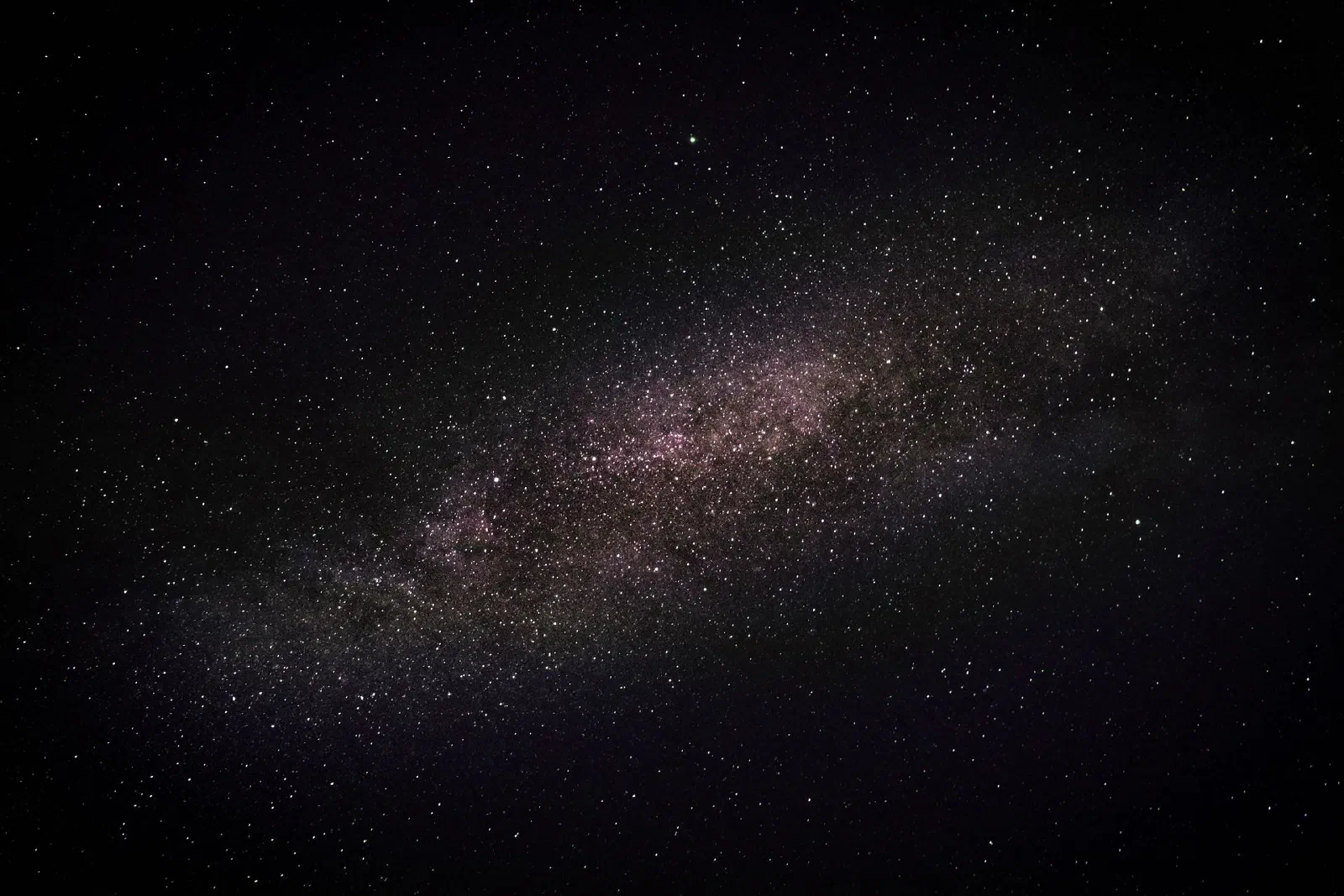
But I reject that conclusion. What fascinates me is that after thousands of years, two trunkless legs of stone still stand in the desert. They stand mocking time itself. Yes, eventually they too will crumble, as will the world that hosts them. At some point the Sun will start fusing helium and become a red giant. Later, Andromeda will collide with the Milky Way. In the far future, the universe itself will either collapse or expire in heat death.
And yet, in the jaws of entropy, human hands chiseled stone.
Why do we create anything when time will erase it anyway? Why build a statue? Why write a poem? We do those things because we can. We can, therefore we must. If the universe is meaningless, we as sentient beings conjure meaning within its meaninglessness. That meaning is local, temporary, and fragile, but that’s what makes it precious.
The heart that fed
I don’t think that this reading is necessarily novel, I am not pompous enough to pretend I reached a groundbreaking interpretation. Perhaps it was even an intentional subtext; after all, more than two centuries after Shelley’s death, I am here pondering his words. In the jaws of entropy, human hands put words to paper. Those words are, for a while, mocking time as well.